


Connecticut is a small state with big contrasts. Of its roughly 3.6 million residents, nearly one in five is 65 or older, and many hold sizable retirement savings. Wealthy residents especially in Greenwich and Stamford make the state a financial powerhouse with a prime target for vulnerable seniors.
If you’ve lost money through investment fraud or stockbroker misconduct, you’re experiencing one of the most devastating financial betrayals possible.
Our attorneys will evaluate your situation aggressively, identifying the strongest path to reclaim your financial security. Through FINRA claims and arbitration, victims can recover investment losses without the lengthy delays of traditional court proceedings. We will also pursue a claim through state and federal courts, or other arbitration forums depending on the case.
Many victims blame themselves, but this isn’t your fault—licensed professionals have a fiduciary duty to put your interests first. When they breach that duty through negligence or fraud, you have the right to seek compensation.

How a Connecticut Investment Fraud Attorney Can Help You

Broker Misrepresentation and Omissions
Misrepresentation occurs when brokers intentionally provide false or misleading information to investors, causing financial harm. Under the Connecticut Uniform Securities Act (CUSA), investors can seek recovery for losses stemming from misrepresentation or omission of material facts. Our attorneys at the Law Offices of Robert Wayne Pearce, P.A. can thoroughly analyze communications and disclosures to identify actionable misconduct and assist you in pursuing rightful compensation.
Churning and Excessive Trading
Churning involves brokers excessively trading securities primarily to generate commissions. This practice violates both Connecticut and federal securities laws, including regulations enforced by FINRA (Financial Industry Regulatory Authority). Our experienced attorneys investigate your brokerage account activity meticulously to determine if excessive trading has occurred, and our investment fraud lawyers can represent you in arbitration or court proceedings to reclaim losses incurred through churning.
Unauthorized Trading
When brokers trade securities without obtaining proper authorization, investors may suffer significant losses. Unauthorized trading violates FINRA Rule 3260 and Connecticut regulations under CUSA. At the Law Offices of Robert Wayne Pearce, P.A., our attorneys assess your account records to identify unauthorized activities, and our firm can pursue claims to recover losses caused by such illegal actions.
Ponzi Schemes and Investment Fraud
Ponzi schemes are fraudulent investment operations promising high returns with little risk, using funds from new investors to pay returns to earlier investors. This practice violates multiple laws, including Connecticut’s Unfair Trade Practices Act (CUTPA) and federal securities regulations. Our attorneys have extensive experience uncovering complex fraudulent schemes, and our investment fraud lawyers can aggressively litigate to help recover your lost investments.
Breach of Fiduciary Duty
Brokers and financial advisors have a fiduciary duty to act in your best interest. Violations of fiduciary duty, including unsuitable recommendations and conflicts of interest, are actionable under Connecticut law, specifically CUSA and the Connecticut Business Corporation Act. The attorneys at the Law Offices of Robert Wayne Pearce, P.A. carefully examine broker actions for fiduciary breaches and can skillfully advocate for your financial recovery.
Negligence and Failure to Supervise
Brokerage firms must adequately supervise their representatives. Negligent supervision is prohibited under Connecticut law and FINRA Rule 3110. Our attorneys at the Law Offices of Robert Wayne Pearce, P.A. identify supervisory lapses and help investors hold brokerage firms accountable for negligence and related financial harm.
Unsuitable Investments and Recommendations
Brokers recommending investments inconsistent with an investor’s financial profile, risk tolerance, or objectives constitute unsuitable investment recommendations, violating Connecticut regulations and FINRA Rule 2111. Our investment fraud attorneys can analyze your portfolio and determine if unsuitable recommendations occurred, aiding in legal action to recover losses.
Insider Trading and Market Manipulation
Insider trading and market manipulation are illegal under both federal securities laws enforced by the SEC (Securities and Exchange Commission) and Connecticut’s securities statutes. Our attorneys are experienced in identifying and prosecuting such complex securities violations to protect your investments and financial interests.
Statute of Limitations for Securities Fraud in Connecticut
Connecticut law generally allows three years to file claims related to fraud, with securities fraud claims typically limited to five years under federal statutes. It’s crucial to consult promptly with an attorney to ensure timely filing and protect your rights.
Connecticut Securities Laws
Connecticut’s main securities law is the Connecticut Uniform Securities Act, found in Chapter 672a of the Connecticut General Statutes (Sections 36b-2 through 36b-34). The Act makes it illegal to commit fraud in connection with buying or selling a security. This includes lying about important facts, leaving out facts an investor would need to know, and running schemes designed to deceive investors. The Act also requires most securities and the people who sell them to be registered with the state.
This law is part of what people commonly call “blue sky laws.” These are state laws that give Connecticut regulators the power to police securities activity and misconduct that happens within the state, separate from federal oversight.
The Connecticut Department of Banking’s Securities and Business Investments Division enforces the Act, along with related regulations covering broker-dealers, agents, and investment advisers. These regulations prohibit dishonest or unethical practices, such as unauthorized trading in a client’s account, improper use of client funds, and deceptive advertising.
How Our Attorneys Support Your Claim
The Law Offices of Robert Wayne Pearce, P.A. can assist you by:
- Conducting Detailed Investigations: Analyzing financial documents to uncover fraudulent actions.
- Identifying Responsible Parties: Determining all liable individuals and entities involved.
- Filing Complaints: Initiating actions with regulatory authorities such as FINRA and the SEC.
- Negotiating Settlements: Advocating effectively to achieve favorable resolutions.
- Litigation and Arbitration: Pursuing aggressive representation in court or arbitration when necessary.
- Recovering Financial Losses: Committed to achieving maximum recovery of your losses.
Additional Investment Fraud Claims We Handle:
- Pyramid Schemes
- Pump-and-Dump Schemes
- Mutual Fund Fraud
- Misuse of Margin Accounts
- Annuity and Insurance Product Fraud
Can I Recover my Investment Losses?
In order to recover your investment losses, you must prove that your broker-dealer or financial advisor breached their fiduciary duty to you as an investor.
In most cases, this means filing a FINRA arbitration claim against the broker-dealer and/or representative.
The majority of securities fraud cases are handled by FINRA (Financial Industry Regulatory Authority) rather than being brought to the court system.
FINRA arbitration is a streamlined, cost-effective way to resolve disputes between investors and their brokers without going to court – it also allows you to collect punitive damages, which are not available in civil court.
What Can an Stockbroker Fraud Lawyer Do for Investors?
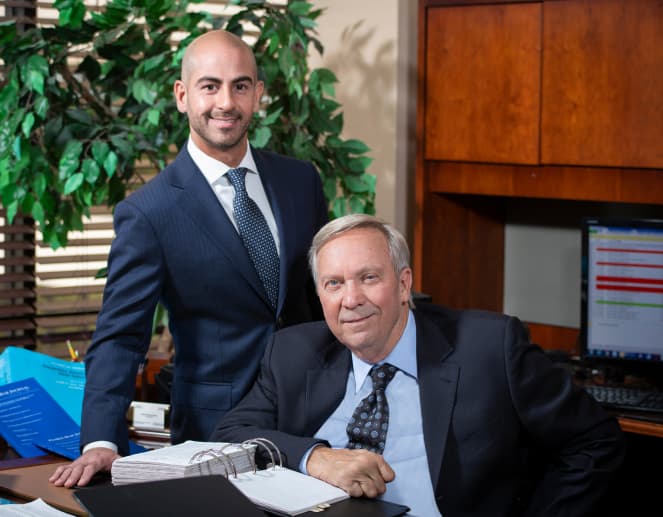 An stockbroker and securities fraud lawyer helps investors recover investment losses that they lost due to a financial advisor or stockbroker who did not act in their best interest. Typically, the lawyer will help the investor recover their losses through a process called FINRA arbitration.
Contact a Securities and Investment Fraud Attorney serving Connecticut
The Law Offices of Robert Wayne Pearce, P.A., is a law firm specializing in representing defrauded investors recover. Investment fraud lawyer Robert Wayne Pearce specializes in getting individuals their money back from bad investments using any and all available methods.
If you’re an investor who has experienced investment losses potentially due to securities or investment fraud recently, we are here to offer our assistance.
If you have questions about how to move forward, contact our team online or call our Bridgeport, CT office line at (800) 732-2889 for a free confidential consultation with a Connecticut securities lawyer. We will fight aggressively for your financial recovery and for justice.
Robert Wayne Pearce has decades of first-hand experience in FINRA securities arbitration, and is one of the preeminent experts in this matter both nationwide and internationally.
Client Testimonials
[trustindex no-registration=google]
Our law firm works with clients throughout the state:
Frequently Asked Questions
What are some red flags that my broker acted improperly?
Common warning signs include unexplained account losses, trades you didn’t authorize, and recommendations that seem too risky for your financial goals. If your broker avoids your questions or pressures you into fast decisions, you may be a victim of misconduct.
How much does it cost to hire your firm?
We work on a contingency fee basis, which means you pay nothing unless we recover money for you. Your initial consultation is free, and there are no upfront costs for our services.
What’s the difference between investment losses and investment fraud?
Market losses happen even with honest advice, but fraud involves negligence, misrepresentation, or violation of industry rules. If your broker prioritized commissions over your best interests, that may constitute actionable fraud under Connecticut law.
Can I still recover losses if I signed an arbitration agreement?
Yes. Most brokerage accounts include FINRA arbitration clauses, which means your case will be resolved outside of court. Our attorneys are highly experienced in this process and can guide you through each step.
What types of investment fraud do you handle in Connecticut?
We handle cases involving unsuitable investments, unauthorized trading, churning, Ponzi schemes, margin abuse, and more. If your advisor failed to act in your best interest, we may be able to help you recover your losses.
[Written by attorney Robert Wayne Pearce (Attorney Bio)]