Talk with Robert Pearce now (800) 732-2889
  • Español
Law Offices of Robert Wayne Pearce, P.A Logo
CALL US TODAY FOR A FREE CONSULTATION (800) 732-2889
  • Firm Overview
    • Our Attorneys
      • Robert Wayne Pearce – Securities Lawyer
      • Adam Kara-LopezSecurities Lawyer
    • Client Testimonials
  • Serving Nationwide
    • Georgia
    • California
    • Florida
    • Arizona
    • Delaware
    • New York
    • Oregon
    • New Jersey
    • West Virginia
    • Texas
    • Rhode Island
    • Maine
    • Indiana
    • North Carolina
    • South Carolina
    • Louisiana
    • Puerto Rico
  • Practice Areas
    • Broker & Financial Advisor Representation
    • Investor Representation
      • Investment Fraud
      • Stockbroker Fraud
      • Stock Market Losses
      • Margin Call Liquidations
      • Private Placement Fraud
      • Churning & Excessive Trading
      • Failure to Supervise
      • Ponzi Scheme
      • What is a Lack of Diversification & Do You Need a Lawyer?
      • FINRA Arbitration
      • Negligence & Breach of Fiduciary Duty
      • Elder Financial Abuse
    • Regulatory Defense
      • Securities and Exchange Commission (SEC) Defense
      • CFTC Defense Lawyer for Investigations & Enforcement Actions
      • FINRA Defense
      • Florida-OFR Investigations & Enforcement Proceedings
      • NFA Investigations & Enforcement Proceedings
      • Mismanagement of Trusts & Investment Accounts
  • Case Results
  • Learn More!
    • Cases & Investigations
      • Broker Investigations
    • Legal Blog
    • Video FAQ
    • FAQ
    • Resources
    • Decisions & Awards
    • Scholarship
    • SEC · CFTC · FINRA Feeds
  • Contact
  • Robert Wayne Pearce

    Blog

    Schedule a Free Consultation

    Featured Posts

    FINRA Arbitration What To Expect And Why You Should Choose Our Law Firm Jun 20, 2026

    Finra Arbitration: How Does it Work, How Long Does it Take, & More

    FINRA arbitration can help investors recover losses, but results depend on preparation and strategy. Our attorneys conduct a detailed case review, draft a fact-rich Statement of Claim, and manage arbitrator selection, discovery, mediation, and hearing presentation. We focus on evidence, deadlines, and damages analysis so clients know what to expect from start to award today.

    Keep Reading
    inspired healthcare capital offices Feb 27, 2026

    Inspired Healthcare Capital Investor Recovery Options – 2026 Post Bankruptcy and Lawsuits & FINRA

    If you invested in an Inspired Healthcare Capital DST, income fund, or private placement and lost money, you are not alone. Thousands of investors are now facing suspended distributions, frozen capital, and the very real possibility of total loss after Inspired Healthcare Capital (IHC)’s downfall and subsequent Chapter 11 bankruptcy filing on February 2, 2026.

    Keep Reading
    Investors With “Blown-Out” Securities-Backed Credit Line and Margin Accounts How do You Recover Your Investment Losses Dec 22, 2025

    Investors With “Blown-Out” Securities-Backed Credit Line and Margin Accounts: How do You Recover Your Investment Losses?

    If your securities-backed credit line or margin account was hit with margin calls and liquidated, recovery focuses on what your advisor recommended and disclosed before the account opened—not the liquidation itself. Misrepresentations, unsuitable leverage for conservative investors, and concentration can support claims. Investors often must pursue FINRA arbitration or mediation to seek reimbursement and fees.

    Keep Reading
    A Stockbroker’s Introduction To FINRA Examinations And Investigations Dec 19, 2025

    A Stockbroker’s Introduction to FINRA Examinations and Investigations

    FINRA regulates broker-dealers and conducts routine and cause-based examinations to check compliance with industry rules. Examinations may stem from complaints, disclosures, or risk signals and focus on capital adequacy, supervision, and sales practices. Brokers should understand their obligations and seek legal counsel, as FINRA’s jurisdiction and procedures can lead to serious disciplinary consequences.

    Keep Reading

    More Posts

    Sep 25, 2026

    Fraudulent Misrepresentation: What Is It, What Are the Elements, and Is It a Crime?

    Fraudulent misrepresentation occurs when someone knowingly or recklessly makes a false statement of material fact intending for another person to rely on it, and that person suffers damages as a result. In investment disputes, this can happen when a stockbroker or financial professional lies about or conceals important information concerning an investment’s risks, returns, fees, liquidity, or other material facts. If you have been the victim of stockbroker misrepresentation, you are probably feeling angry, confused, and unsure whether you can recover the money you lost. We want you to know that you have rights.  Contact the investment fraud lawyers at the Law Offices of Robert Wayne Pearce, P.A., for a free consultation. We can review your case and determine whether we can help you pursue the settlement or damages you deserve. In this guide, we will cover what fraudulent misrepresentation is, the elements required to prove it, how it differs from negligent and innocent misrepresentation, when it may constitute a crime, and how an investment fraud attorney can help you recover your losses. What Is Fraudulent Misrepresentation? Fraudulent misrepresentation occurs when a person or business knowingly makes a false or misleading statement of material fact to induce another person to act, and this deceptive practice causes financial harm. It is a form of fraud that can involve an outright lie, a misleading statement, or, in some circumstances, the concealment or omission of material information.  For a misrepresentation to constitute fraud, several elements generally must be present. There must be a false representation of material fact, knowledge that the representation is false or reckless disregard for its truth, an intent to induce reliance, actual and justifiable reliance, and resulting damages. The precise elements vary by jurisdiction, which we will discuss in more detail later in this guide. Fraudulent misrepresentation can arise in ordinary business transactions, contracts, real estate transactions, sales, and many other commercial dealings, including contract disputes.  In contract law, it may involve a false statement that leads someone to enter into an agreement, potentially making the contract voidable. But in investments and securities transactions, a broker, financial advisor, issuer, or other party may misrepresent or conceal material information to persuade an investor to purchase, sell, or hold an investment. If you lost money because a broker or financial professional misrepresented an investment, contact the investment fraud lawyers at the Law Offices of Robert Wayne Pearce, P.A. Our firm represents investors nationwide and can review the circumstances surrounding your losses to determine whether you may have a claim. What Are the Elements of Fraudulent Misrepresentation? The elements of fraudulent misrepresentation include a false statement of material fact, knowledge that the statement is false or reckless disregard for its truth, an intent to induce reliance, actual reliance, and resulting damages. A Representation Was Made The defendant must have made a statement or representation to the plaintiff. In some circumstances, concealing or omitting material information can also qualify when the defendant had a duty to disclose it. The Representation Was False The statement or representation must have been false or misleading when it was made. The falsehood generally must concern a material fact, meaning information significant enough to affect the plaintiff’s decision. The Defendant Knew the Representation Was False The defendant must have known the representation was false or acted recklessly without knowing whether it was true. The legal term for this is scienter. It is what separates a fraudulent misrepresentation from an innocent mistake. The Defendant Intended to Induce Reliance The defendant must have made the representation with the intent to cause the plaintiff to rely on it. In an investment case, this could involve making false claims about an investment to persuade an investor to purchase or hold it. The Plaintiff Relied on the Representation The plaintiff must have made a decision because of the false or misleading information. The law may also require the plaintiff to show that doing so was reasonable or justifiable under the circumstances. The Plaintiff Suffered Damages The plaintiff’s reliance on the misrepresentation must have caused an actual loss or injury. In an investment fraud case, this can include financial losses, lost profits, and other damages resulting from purchasing, selling, or holding an investment based on false information. It can also bring reputational harm when supported by the facts and applicable law. The precise elements and standards required to prove fraudulent misrepresentation claims can vary by jurisdiction and the type of fraud claims involved. At the Law Offices of Robert Wayne Pearce, P.A., we litigate cases where stockbrokers and financial professionals make material misrepresentations or conceal important facts from investors. Investors who suffer financial losses because of fraudulent misrepresentation may have the legal right to recover damages. Fraudulent vs. Negligent vs. Innocent Misrepresentation The difference between fraudulent, negligent, and innocent misrepresentation generally comes down to what the person making the false statement knew, or should have known, when they made it. Is Fraudulent Misrepresentation a Crime? Fraudulent misrepresentation can be a crime, but it is more commonly pursued as a civil claim. The legal consequences depend on the facts, the defendant’s intent, and the federal or state laws that apply, including whether punitive damages may be available. In the investment industry, fraudulent misrepresentation can also constitute securities fraud. A stockbroker, investment adviser, or other financial professional may violate federal or state securities laws by knowingly making material false statements or concealing material facts to induce you to invest. Serious cases can lead to investigations or enforcement actions by the SEC and, where criminal laws have been violated, prosecution by federal or state authorities. The same conduct may also violate FINRA rules. For example, FINRA Rule 2020 prohibits members from using manipulative, deceptive, or other fraudulent devices in connection with the purchase or sale of securities. Brokers and brokerage firms may face FINRA disciplinary action, while investors who suffer losses may be able to pursue compensation through FINRA arbitration. At the Law Offices of Robert Wayne Pearce, P.A., we represent investors in fraudulent misrepresentation cases involving...

    Keep Reading
    Sep 18, 2026

    What Are Credit Default Swaps? Risks for Retail Investors and How to Recover Losses

    Credit Default Swaps—once the exclusive domain of Wall Street trading desks—now reach everyday investors through structured notes, ETFs, and mutual funds, often without their knowledge. These complex instruments embed CDS risk inside products marketed as “enhanced yield” or “principal protected” investments, exposing retirement accounts and conservative portfolios to catastrophic losses. Since the 2008 financial crisis, CDS-linked products have generated hundreds of billions in investor losses, triggered landmark enforcement actions, and remain a persistent source of FINRA arbitration claims.

    Keep Reading
    Sep 3, 2026

    What Are Closed-End Funds (CEFs)?

    A closed-end fund is a registered investment company that raises a fixed pool of capital through an initial public offering. A closed-end fund issues a fixed number of shares and then trades on a stock exchange like any other listed security. If you own one and have never been told how the price is set, you are in the same position as most of the investors who come to us. The fund does not issue new shares when demand rises and does not redeem shares when you want out. Instead, closed-end fund shares change hands between other investors on an exchange such as the New York Stock Exchange, at whatever price the market will bear on any trading day. Closed-end funds, or CEFs, as some listings abbreviate them, are a long-established structure. The fund’s investment strategy is set out before launch, and buying the fund’s shares on the exchange is the only way in.  They are actively managed and professionally managed portfolios, and the fund’s investment objectives are set out in a prospectus filed with the Securities and Exchange Commission. How Do Closed-End Funds Work? A closed-end fund raises money once, then investors trade the shares among themselves. The share price and the value of the portfolio behind it are therefore two separate numbers. The IPO and the Fixed Share Count A closed-end fund launches at a set offering price and raises a fixed amount of capital before the offering closes for good. Where the sponsor pays the selling brokers out of those proceeds, the fund begins life holding less than the investors actually paid in. Rights offerings and share buybacks can change the count later, though neither happens often enough to rely on. That fixed share count is the defining feature of the whole structure. Trading on the Secondary Market From the day it lists, you buy and sell a closed-end fund through a broker on the secondary market. Unlike an open-end mutual fund, you generally trade with other market participants rather than redeeming your shares directly with the fund. The price comes from what other people are willing to pay rather than from the value of the fund assets. A publicly traded CEF’s share price moves with the stock market and with investor sentiment, and thin trading volume makes some funds expensive or slow to sell.  Liquidity can be a real concern when you need to sell quickly. And because the market price can differ from the value of the fund’s assets, there’s one more figure you need to know before you buy: the fund’s net asset value. Net Asset Value (NAV) vs Market Price Net asset value is the total net assets of the underlying holdings minus liabilities, divided by the outstanding shares. A closed-end fund’s market price is a separate number set by the market. An open-end mutual fund transacts at NAV, and a closed-end fund does not. A CEF trades at a discount when its market price is below NAV and at a premium when it is above NAV. Before you buy, compare the two to see whether the shares are trading below or above the value of the fund’s assets. Why Closed-End Funds Trade at a Discount If a fund trades below its net asset value, something about the manager, the fees, or the assets is keeping buyers away. Investors may distrust the management, or the fees may run high relative to peers, or the portfolio assets may be illiquid and hard to value. A persistent discount is not automatically a bargain, and finding that out after you have bought is an expensive way to learn it. A discount can narrow, and that narrowing is where your investment return comes from if you buy well, but nothing forces a discount to close, and it can widen instead. Now look at the opposite case, because paying above net asset value carries its own cost. Why Closed-End Funds Trade at a Premium Paying a premium means handing over more than a dollar for every dollar of assets you receive. Buyers usually pay it because of the size of the distribution or the reputation of the manager. High distributions may attract plenty of buyers. But if demand fades, the premium can narrow even when the fund’s portfolio has not lost value. Someone who bought at that premium can lose money simply because the market price moves closer to NAV. Closed-End Funds vs Open-End Mutual Funds Open-end funds create and cancel shares on demand, so you buy from the fund, and you sell back to the fund. Both transactions happen at the net asset value calculated after the market closes, while closed-end funds trade at a market price all day. Freedom from redemption pressure lets a closed-end fund manager hold illiquid securities without worrying that a wave of withdrawals will force a sale at the worst moment. You carry the liquidity risk instead, and it shows up as a share price that may not track the portfolio for years at a time. The same structural difference also shapes what these funds are able to hold. Types of Closed-End Funds and Related Investment Vehicles Closed-end funds invest in many different asset classes. Some of them are:  Nearly all of these funds exist to pay you income, and that is why most people buy them rather than for capital appreciation. What Are Interval Funds? An interval fund is a registered closed-end fund that offers to repurchase shares from investors at set intervals rather than listing on an exchange. Brokers sometimes present them as ordinary closed-end funds without explaining the difference, and the difference is the part that will affect you. Repurchase offers come round every three, six, or twelve months, and each one covers between five and twenty-five percent of the shares outstanding. Interval funds do not list on an exchange or trade on an over-the-counter market, so there is no market price and no discount to track. The word limited is doing a great deal of work in that...

    Keep Reading
    Sep 3, 2026

    FINRA Series 7 vs. Series 79: What’s the Difference?

    The Series 7 licenses a person to sell securities to the investing public, while the Series 79 licenses a person to advise companies on investment banking deals. Take the Series 7 if you want to recommend and trade stocks, bonds, and funds for retail customers at a broker-dealer. Take the Series 79 if you want to work on offerings, mergers, and restructurings for the companies issuing those securities.  The investment fraud lawyer team at the Law Offices of Robert Wayne Pearce, P.A. has spent 45 years representing investors, and we see how often the license behind a recommendation shapes the claim that follows it. In this guide, we explain what each license permits, how the two exams compare, which career path takes which exam, and how to check any professional’s licenses yourself. What Is the Difference Between the Series 7 and the Series 79? The Series 7 and the Series 79 are securities licensing exams from the Financial Industry Regulatory Authority (FINRA) that authorize two different jobs for a registered representative. A Series 7 holder works with the investing public, and a Series 79 holder works with the companies that issue securities.  One license is retail, and the other is corporate, which is why most investors meet Series 7 holders constantly and Series 79 holders almost never. The distinction sounds academic until money is lost, because the license determines what its holder was permitted to do, what rules governed the work, and which forum hears a dispute about it. Both are top-off exams, built on the Securities Industry Essentials exam, the SIE exam FINRA requires as a corequisite before either registration becomes effective. If a person you invest with holds one of these licenses, the one they hold tells you what they are actually allowed to do for you. Because the licenses authorize different work, the place to start is what each holder can do. What Can Each License Holder Do? The two registrations authorize different activities, and neither substitutes for the other. FINRA defines both in its exam outlines, and the definitions draw the line clearly. The Series 7: General Securities Representative A Series 7 holder is a general securities representative, licensed to solicit orders and trade securities for public customers through a broker-dealer. That covers the full retail menu: stocks, bonds, options, mutual funds, exchange-traded funds and other investment company products. The firm may earn commissions or other transaction-related compensation, but that depends on its compensation structure.  The registration also allows the representative to open customer accounts, assess a customer’s financial profile and investment objectives, and carry out orders based on that information. FINRA’s exam outline reflects the range of activities covered by the registration. Their recommendations are governed by Regulation Best Interest, the SEC rule requiring a broker to act in your best interest at the time a recommendation is made. You can read how this license compares with the adviser side in our Series 65 vs. Series 7 guide. The Series 79: Investment Banking Representative The Series 79 qualifies professionals for the investment banking representative registration, which covers debt and equity offerings, mergers and acquisitions, tender offers, financial restructurings, and asset sales. FINRA’s own exam outline defines the role in exactly those terms, and the definition is worth reading closely. Notice who the client is: the issuing company rather than the investor, which is why most retail investors never deal with a Series 79 holder directly. Their work still reaches you, though, through the securities that the deal work produces.  When a company sells bonds to fund an acquisition, an investment banking representative structured that offering, priced it, and prepared the disclosure investors later relied on. Investment bankers are the start of the chain that ends in your portfolio. Day-to-Day Responsibilities of an Investment Banking Representative The day-to-day work behind the Series 79 involves core investment banking functions rather than customer accounts. It covers offerings, M&A, and financial restructuring. Debt and Equity Offerings and Private Placements The offerings half is underwriting: registered public offerings of debt and equity, and private placements sold to investors under an exemption from registration. Equity securities offerings range from initial public offerings to follow-on sales, while debt work runs from investment-grade bonds to the high-yield issues that fund riskier companies. Investment bankers run both ends of that range.  We recommend noting the Series 82 here too, the private securities offerings representative license, since that narrower registration covers private offerings alone. Series 79 representatives can participate in private and public offerings as part of their investment banking activities. Other registered representatives may handle the solicitation or sale of the investment to customers. If you lost money on a private placement, you need to look at who recommended or sold the investment and what role the firm played in the transaction. Mergers, Acquisitions, and Financial Restructuring The other half of the job is mergers and acquisitions, tender offers, and financial restructuring transactions. The investment banking activities FINRA lists include advising the buyer or the seller, valuing the target, and running the tender process when one company bids for another’s shares.  FINRA Series 79 exam reflects these areas too. Of its 75 scored questions, 37 focus on data analysis and evaluation, 20 on underwriting and new financing, and 18 on M&A, tender offers, and financial restructuring. Restructuring work includes distressed companies, which is the corporate end of events investors usually experience as losses. A financial restructuring reshapes what a company owes and to whom, through exchanges, amendments, or asset sales, and bondholders usually come out holding something different from what they bought. The banker advising the company and the investor holding its bonds are on opposite sides of the same transaction. How Hard Is Each Exam? Both exams are entry gates rather than rankings, and each tests the knowledge for its own job. FINRA’s exam pages publish no pass rate for either, and difficulty comparisons between them are mostly folklore, because almost nobody takes both exams under the same conditions. The figures below are...

    Keep Reading
    Sep 3, 2026

    Unauthorized Trading: When Your Broker Trades Without Permission

    Unauthorized trading is a broker buying or selling in your investment account without your permission and without the written authority to trade on their own.  In a Ponzi scheme, the fraud is the investment itself, but here the fraud is the decision: someone else made it in your account.  If a trade confirmation has ever arrived for a transaction you do not remember approving, you have seen how this problem announces itself.  In this guide, our investment fraud lawyer team will walk you through what unauthorized trading is and what the FINRA rules require. We also cover how discretionary accounts change the answer, and how to spot unauthorized transactions on your statements. What Is Unauthorized Trading? Unauthorized trading happens when a broker or financial advisor places a trade in a customer’s account without instruction and without written discretionary authority. You gave that instruction either by directing the trade yourself or by signing a discretionary agreement beforehand. Outside of that, the trade was not the broker’s to make.  The violation is the missing permission rather than the outcome, so an unauthorized trade is misconduct even when it makes money. Any financial harm it causes may be the firm’s to answer for. A profitable trade you never approved is still a decision someone else took with your account, and the next one may not be profitable. Federal law and FINRA rules both reach this conduct, from different directions. Because the rules are specific, it helps to see what they actually require. What the Financial Industry Regulatory Authority Rules Say The Financial Industry Regulatory Authority treats unauthorized trading as a violation of FINRA Rule 2010, which requires members to observe high standards of commercial honor and just and equitable principles of trade. Trading a customer’s account without proper authorization fails that standard on its face. FINRA Rule 3260 adds the specifics for discretionary accounts: no broker may exercise discretion in a client’s account until the customer has given prior written authorization and the brokerage firm has accepted the account in writing. Obtaining authorization first, in writing, and getting the firm’s acceptance is the rule’s whole point.  The same rule bans discretionary trades that are excessive in size or frequency, which is where unauthorized trading meets excessive trading. We advise complaining promptly and in writing when a transaction you did not approve appears, because a dated written objection anchors everything that follows. So when exactly is a broker allowed to trade in your account without asking first? Discretionary vs. Non-Discretionary Investment Accounts A broker can trade without calling you first if you have a discretionary account, one where you’ve granted written trading authority and the firm has approved it. The SEC notes that a broker may be able to sell securities in a margin account without consulting you if the account falls below the firm’s requirements.  But in other investment accounts, the broker needs your instruction before making a trade. It doesn’t matter what strategy you and the broker have already discussed. Our guide to discretionary and non-discretionary accounts covers how to choose between them. The line itself is the point: a verbal “you handle it” habit does not create discretionary authority, however friendly the relationship. Many investors believed a standing phone arrangement counted as permission. It does not, and that paperwork failure belongs to the firm rather than to you. How to Spot Unauthorized Transactions on Your Account Statements Your account statements and trade confirmations are where unauthorized transactions surface, usually within days of the trade. If you suspect unauthorized trading, we recommend reading each confirmation against what you actually instructed: If a trade you authorized is marked as unsolicited, that can raise questions. The best thing to do is object in writing the moment you see a trade you did not approve, and keep a copy. Because if you delay, it may become harder to dispute the trade later. Contact Our Investment Fraud Attorneys About Unauthorized Trading We understand how unsettling it is to find your account did things without you. The firm may argue you consented, and the paper record decides that argument. Here at the Law Offices of Robert Wayne Pearce, P.A., we have 45 years of experience representing investors and have recovered more than $185 million for our clients. Our success rate across litigation, arbitration, and settlements is 99%. We work on a contingency basis, so there is no fee unless we recover for you. Claims like these are heard in FINRA arbitration rather than in court. Call us at (800) 732-2889 for a free consultation, or read more about unauthorized trading claims and recovery.

    Keep Reading
    Sep 3, 2026

    Unauthorized Trading: When Your Broker Trades Without Permission

    Unauthorized trading is a broker buying or selling in your investment account without your permission and without the written authority to trade on their own.  In a Ponzi scheme, the fraud is the investment itself, but here the fraud is the decision: someone else made it in your account.  If a trade confirmation has ever arrived for a transaction you do not remember approving, you have seen how this problem announces itself.  In this guide, our investment fraud lawyer team will walk you through what unauthorized trading is and what the FINRA rules require. We also cover how discretionary accounts change the answer, and how to spot unauthorized transactions on your statements. What Is Unauthorized Trading? Unauthorized trading happens when a broker or financial advisor places a trade in a customer’s account without instruction and without written discretionary authority. You gave that instruction either by directing the trade yourself or by signing a discretionary agreement beforehand. Outside of that, the trade was not the broker’s to make.  The violation is the missing permission rather than the outcome, so an unauthorized trade is misconduct even when it makes money. Any financial harm it causes may be the firm’s to answer for. A profitable trade you never approved is still a decision someone else took with your account, and the next one may not be profitable. Federal law and FINRA rules both reach this conduct, from different directions. Because the rules are specific, it helps to see what they actually require. What the Financial Industry Regulatory Authority Rules Say The Financial Industry Regulatory Authority treats unauthorized trading as a violation of FINRA Rule 2010, which requires members to observe high standards of commercial honor and just and equitable principles of trade. Trading a customer’s account without proper authorization fails that standard on its face. FINRA Rule 3260 adds the specifics for discretionary accounts: no broker may exercise discretion in a client’s account until the customer has given prior written authorization and the brokerage firm has accepted the account in writing. Obtaining authorization first, in writing, and getting the firm’s acceptance is the rule’s whole point.  The same rule bans discretionary trades that are excessive in size or frequency, which is where unauthorized trading meets excessive trading. We advise complaining promptly and in writing when a transaction you did not approve appears, because a dated written objection anchors everything that follows. So when exactly is a broker allowed to trade in your account without asking first? Discretionary vs. Non-Discretionary Investment Accounts A broker can trade without calling you first if you have a discretionary account, one where you’ve granted written trading authority and the firm has approved it. The SEC notes that a broker may be able to sell securities in a margin account without consulting you if the account falls below the firm’s requirements.  But in other investment accounts, the broker needs your instruction before making a trade. It doesn’t matter what strategy you and the broker have already discussed. Our guide to discretionary and non-discretionary accounts covers how to choose between them. The line itself is the point: a verbal “you handle it” habit does not create discretionary authority, however friendly the relationship. Many investors believed a standing phone arrangement counted as permission. It does not, and that paperwork failure belongs to the firm rather than to you. How to Spot Unauthorized Transactions on Your Account Statements Your account statements and trade confirmations are where unauthorized transactions surface, usually within days of the trade. If you suspect unauthorized trading, we recommend reading each confirmation against what you actually instructed: If a trade you authorized is marked as unsolicited, that can raise questions. The best thing to do is object in writing the moment you see a trade you did not approve, and keep a copy. Because if you delay, it may become harder to dispute the trade later. Contact Our Investment Fraud Attorneys About Unauthorized Trading We understand how unsettling it is to find your account did things without you. The firm may argue you consented, and the paper record decides that argument. Here at the Law Offices of Robert Wayne Pearce, P.A., we have 45 years of experience representing investors and have recovered more than $185 million for our clients. Our success rate across litigation, arbitration, and settlements is 99%. We work on a contingency basis, so there is no fee unless we recover for you. Claims like these are heard in FINRA arbitration rather than in court. Call us at (800) 732-2889 for a free consultation, or read more about unauthorized trading claims and recovery.

    Keep Reading
    Sep 3, 2026

    What Are Unrealized Gains and Losses?

    Unrealized gains and losses are the changes in an investment’s value while you still own it, measured against what you paid.  The gain or loss exists on paper only, because nothing has been sold, no money has moved, and your brokerage firm recalculates the figure every trading day. If you have been watching an account balance climb for years without ever withdrawing from it, you have been watching unrealized gains.  In this guide, our investment fraud lawyer team will walk you through how unrealized gains and losses work, how to calculate them, and when you pay taxes on them. We also cover how these figures affect your net worth, and when a gain on a statement is a sign that something has gone wrong. Realized and Unrealized Gains: What Changes When You Sell Selling is when a gain or loss becomes realized and may have tax consequences. Until then, your portfolio value and your taxable income are two separate figures that move independently of each other. The two figures serve different purposes when you look at your investments and your taxes. One of them describes how your investments are performing, while the other determines what you owe for the year. The change in value happens continuously, but the tax consequence happens once, on a date you choose by selling. That timing is the one part of the process an investor controls, and it is the reason two people holding the same stock can owe very different amounts. When a Paper Profit Becomes a Realized Gain A realized gain is the difference between what the sale brought in and your adjusted basis in the asset. The IRS calculates a capital gain or loss at the point a capital asset is sold or exchanged, rather than at any point while you hold it. Realized gains are generally taxable in the year the transaction occurs, and they are reported on that year’s return. We want you to understand that a gain becomes taxable when you sell or exchange the asset. That is why a paper profit can exist for years before it becomes a taxable gain. While you still own the investment, the increase in its value is not taxable, but the investment can still generate taxable income.  How Capital Losses Work Once You Sell Sell below your basis, and the paper loss becomes a realized loss that enters the capital losses calculation on your return. Unrealized losses cannot be deducted, because nothing has been disposed of yet. A net capital loss offsets ordinary income only up to an annual limit set by the IRS, and the remainder carries forward into later years. Gains and losses from the same tax year are netted against each other first, so a loss taken in December can reduce a gain taken in March. Your statement can show a gain or loss while you hold the investment, but it does not affect your taxes until you sell. How to Calculate Unrealized Gains and Losses You may calculate an unrealized gain or loss by subtracting what you paid for an investment from its current market value. Multiply the number of shares you own by the current price, then subtract your total cost. The result is your unrealized gain or loss.  Cost basis is the figure to get right, because reinvested dividends, commissions, and stock splits all move it. A gain reported against the wrong basis is more than a clerical problem, because it is a number you may be making decisions on. If you are reading a statement you no longer trust, checking the cost basis is a reasonable place to start. You will find a basis figure on your statement, and you are entitled to ask your brokerage firm how it was calculated. The same subtraction applies to every asset you hold, whatever kind of account holds it. It also applies to shares in mutual funds, where the fund’s daily price replaces the stock price you would use for a single company. Examples of Unrealized Gains and Losses in an Investment Account Three short examples show how the same subtraction works inside an investment account and outside one, and they are as follows: The same arithmetic runs in reverse, because the $12 unrealized gain becomes an unrealized loss the moment the price falls below what you paid. Those amounts can change as the value of the investment changes, but they are not reported as capital gains or losses on your tax return while you still own it. Do You Pay Taxes on Unrealized Gains? You do not pay taxes on an unrealized gain because under current federal rules, a gain is only taxed once you sell.  Unrealized gains do not affect your taxable income until the position is sold, which is why a tax bill can arrive years after the growth did. You do not report unrealized gains to the IRS, and unrealized losses cannot be deducted from your taxes in the year they appear. A tax professional handles the specifics for your situation, because the holding period and the type of account both change the answer. The potential tax implications of a sale are worth understanding before you place the order rather than afterwards. Proposals to tax unrealized gains surface in political debate from time to time, and none of them describes the rules in force today. Capital Gains Taxes and How Long You Held the Asset Capital gains taxes turn on the holding period, and the line the IRS draws is one year. An asset is considered a long-term investment when you hold it for more than a year before selling it. If you sell it within a year of buying it, the gain is short-term. Long-term capital gains are taxed at 0, 15, or 20 percent depending on your taxable income for the year. Long-term capital gains and short-term capital gains are netted within their own class first, which is why a short-term loss does not automatically cancel a long-term gain.  Short-term capital gains...

    Keep Reading
    Sep 3, 2026

    Buying on Margin: Definition, History, Risks, & Examples

    Buying on margin, also known as margin trading, is when you borrow money from your brokerage firm to purchase securities, putting up part of the purchase price yourself and pledging the assets in your account as collateral for the rest. Margin magnifies your losses just as readily as your gains, and it exposes you to margin calls and forced sales at prices you would never have chosen. Sometimes the real damage has less to do with the market and more to do with how the investment was handled in the first place. Sometimes the real damage has less to do with the market and more to do with how the investment was handled in the first place. Our experienced team of investment fraud lawyers will break down how all of this actually works. We will cover margin accounts and the agreements behind them, the rules that govern how much you can borrow, what triggers a margin call, what margin interest costs you, the risks worth taking seriously, and what record margin debt says about the market you are borrowing into right now. What Is Buying on Margin? Buying on margin means borrowing money from your brokerage firm to purchase securities, using the assets already sitting in your account as collateral for that loan.  If you have ever opened your account and noticed buying power well above what you actually deposited, you have already seen margin at work.  Margin trading works like this: You put up a portion of the purchase price and your broker lends you the rest, which means the position you control ends up larger than your own cash would allow on its own. Margin buying requires a margin account. It’s a specific account type that differs from a regular cash account and obligates you to sign a margin agreement before any borrowing happens. That agreement grants your brokerage firm significant rights over the securities you purchase with borrowed funds. The part investors most often overlook is that gains and losses are measured against the full position size rather than the money you personally contributed, which is exactly why margin trading amplifies results in both directions. How a Margin Account Works A margin account extends you a revolving loan against the market value of the securities you already hold, with those same securities pledged as security for the debt.  Opening one is not automatic. You submit an application, your brokerage firm reviews and approves you for margin borrowing, and you sign a margin agreement that spells out the firm’s authority over your holdings, including its right to sell them. The borrowed amount then sits in your account as a margin loan balance, and margin interest accrues against that balance every single day it remains open. Unlike a mortgage or a car loan, there is no amortization schedule and no fixed payoff date, so the loan simply persists until you close the position or deposit cash to repay it. You can use securities you already own as collateral for a margin loan, so you may not need to put up additional cash. The convenience it provides can make borrowing feel easy, but it can also make taking on more debt than you intended. A Short History of Margin Trading Margin trading looked very different before the federal government regulated it. Through the 1920s, brokerage firms routinely let customers buy stock by putting down as little as 10% of the purchase price and borrowing the remaining 90%, which handed ordinary investors ten to one exposure with no federal limit standing in the way. Brokers’ loans grew from roughly $3.5 billion in 1926 to more than $8.5 billion by the middle of 1929. When prices turned in October 1929, that borrowed money did what borrowed money does. Investors received margin calls they could not meet, their shares were sold to satisfy the loans, the forced selling drove prices lower, and the lower prices triggered the next wave of calls.  Historians have identified low margin requirements as one of the direct contributors to the crash that preceded the Great Depression. Congress responded through the Securities Exchange Act of 1934, which gave the Federal Reserve Board authority over margin requirements and produced Regulation T that October. The initial requirement was adjusted 22 times before settling at the 50% figure that has governed margin buying since 1974. Margin Rules: Reg T, FINRA, and Your Brokerage Firm Three separate layers of margin rules govern how much you can borrow and how much equity you have to keep in your account.  Understanding all three is what separates investors who know their exposure from investors who find out the hard way. The rules interact, and the strictest one always controls. Initial Margin vs. Maintenance Margin Initial margin is what you deposit at the moment of purchase, while maintenance margin is the equity percentage you have to hold continuously for as long as the position stays open.  Regulation T, known as Reg T, lets you borrow up to 50% of a marginable security’s purchase price. FINRA sets the maintenance margin floor at 25%, though most brokerage firms impose house requirements between 30% and 40% and can raise them without warning you first. Minimum Margin and the $2,000 Floor Minimum margin is the baseline deposit your brokerage firm requires before it will approve you for margin borrowing at all. FINRA sets that threshold at $2,000 or 100% of the purchase price, whichever amount is less. Certain securities also carry higher margin requirements than the standard 50%, which reduces how much you can borrow against those particular positions and shrinks your effective buying power. Buying on Margin Example Consider an investor who wants 1,000 shares of a stock trading at $50 per share, a position worth $50,000 in total. Paying cash requires the full $50,000 up front. Through a margin trading account, that same investor puts up $25,000 of their own money and borrows the remaining $25,000 from the broker. If the stock price climbs to $55 and the investor...

    Keep Reading
    Aug 30, 2026

    Fixed Indexed Annuities: How Do They Work & What Are The Risks?

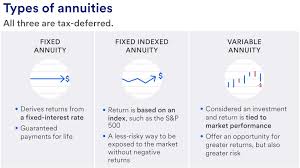
    Indexed annuities are among the most aggressively marketed financial products in the United States. In 2024 alone, total indexed annuity sales—combining fixed indexed annuities (FIAs) and registered index-linked annuities (RILAs)—exceeded $192 billion, according to LIMRA. For many retirees, the pitch sounds irresistible: market-linked growth with no downside risk, guaranteed income for life, and an upfront bonus just for signing up. But behind these promises lie complex contractual limitations, punitive surrender charges that can lock up your savings for a decade or more, and a long history of regulatory enforcement actions against the companies and brokers who sell them.

    Keep Reading
    Aug 28, 2026

    Delaware Statutory Trusts: How They Work, Risks, & Pros And Cons

    A Delaware Statutory Trust (DST) is a passive real estate investment vehicle structured as a Regulation D private placement that allows investors to purchase fractional ownership interests in institutional-grade commercial properties. DSTs are most commonly used as replacement properties in IRC Section 1031 tax-deferred exchanges, and they are sold exclusively through registered broker-dealers and financial advisors to accredited investors—primarily retirees who have recently sold rental or investment real estate. If you lost money on a Delaware Statutory Trust due to a broker’s unsuitable recommendation, failure to disclose material risks, or inadequate due diligence on the DST sponsor, you may have a viable claim to recover those losses.

    Keep Reading
    1 2 3 … 19 Next »
      • This field is for validation purposes and should be left unchanged.
      • Talk One-on-One with Robert Pearce Now * Required Fields
    • Legal Blog Categories

    • This field is for validation purposes and should be left unchanged.
    • Talk One-on-One with Robert Pearce Now * Required Fields
    Law Offices of Robert Wayne Pearce, P.A Logo

    800-732-2889

      • 1499 W Palmetto Park Rd #400 Boca Raton, FL 33486

        Directions

    • Click Here to Pay Retainer
  • "Highly Recommended"

    “Highly recommended. Bob Pearce represented my elderly parents when they realized they had been swindled out of their life savings by an unscrupulous investment firm that headquartered the elderly. Bob was very thorough and patient and remained our attorney after both of our parents died and six siblings had to decide if and how to proceed with our lawsuit. Bob explained all issues well, under-promising and over delivering. He also made himself available for a multitude of phone calls as we had to come together in our decisions which involved six siblings in three different cities and time zones and in two languages (English & Spanish). In the end, we won our [investment loss] case and the award was higher than expected.”

    - Sonia Diaz-Batson -
  • We serve clients all over the United States including, but not limited to: Arizona, California, Florida, Georgia, Louisiana, North Carolina, South Carolina, and Texas.
    • ©2026 Law Offices of Robert Wayne Pearce, P.A.
    • All Rights Reserved.
    • Privacy Policy
    • Attorney Advertising Disclaimer
    • This field is for validation purposes and should be left unchanged.
    • Schedule Your Free Case Review Now Talk One-on-One With Robert Pearce * Required Fields